



The Science Behind VEAUTY Dot
How fractional RF rebuilds your skin from within.
Radiofrequency energy has been studied and clinically validated for over two decades. This page explains, in plain language, exactly what happens beneath the surface of your skin when you use the VEAUTY Dot, and why the science supports lasting results.
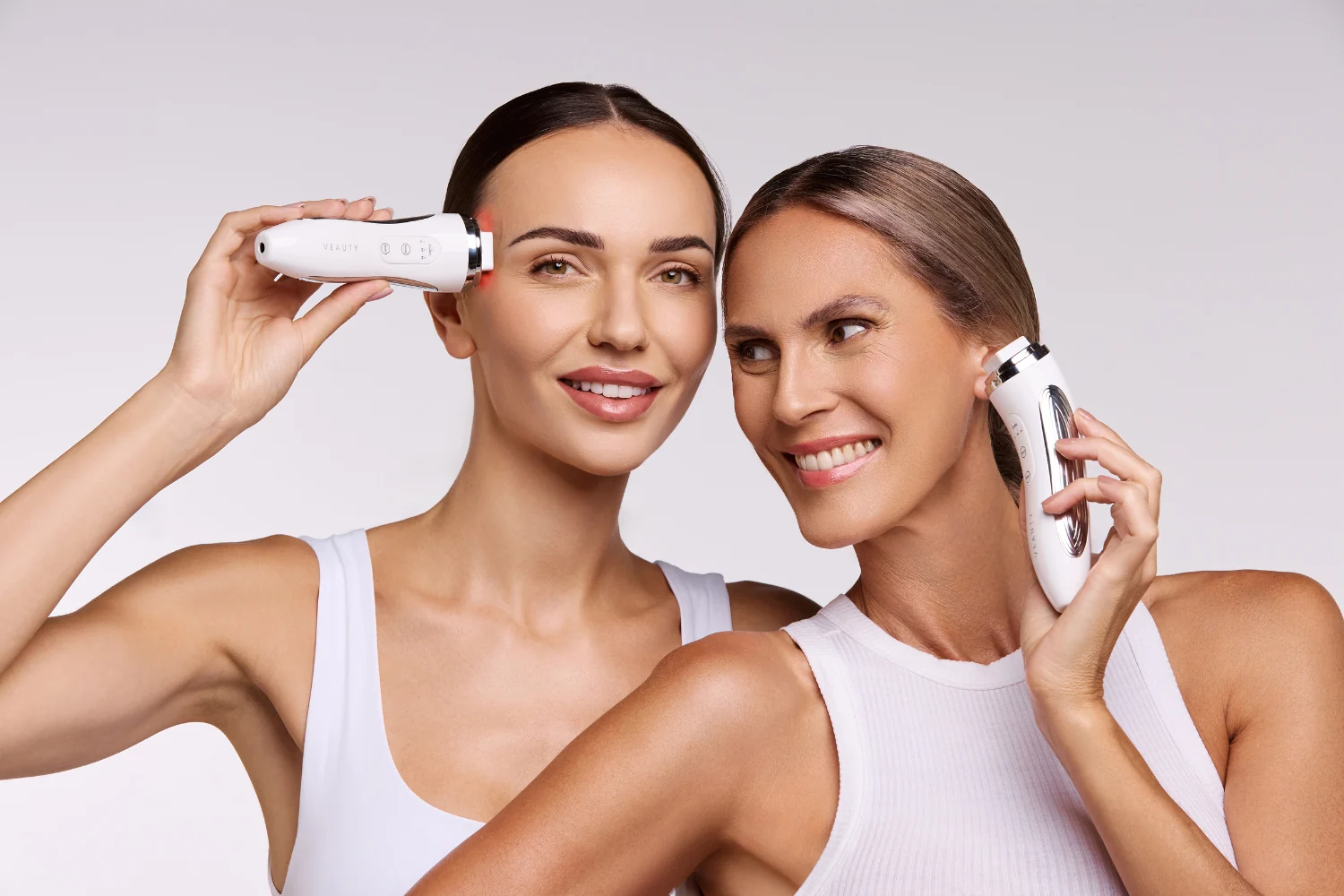
The Fundamentals
What is radiofrequency energy?
Radiofrequency (RF ) is a form of electromagnetic energy that operates at frequencies between 0.3 MHz and 10 MHz. Unlike laser light, which travels in a straight beam and can be absorbed or scattered by the skin's surface pigment, RF energy travels as an alternating electrical current through biological tissue.
When this current passes through skin, the tissue's natural resistance to the flow of electricity causes the molecules within it to vibrate rapidly. This molecular friction generates controlled, precise heat: not at the surface, but deep within the dermis, exactly where collagen fibres live.
Because RF energy is not affected by skin pigmentation or melanin content, it is safe and effective across all skin tones, a key advantage over many laser-based alternatives.
Skin Structure
Why the dermis is the target.
Your skin is made up of three primary layers. The outermost layer, the epidermis, is a thin protective barrier. Below it lies the dermis, a thicker layer rich in collagen and elastin fibres that give skin its firmness, elasticity, and structure. Deeper still is the hypodermis, a layer of fat and connective tissue.
As we age, collagen production in the dermis naturally slows. From our mid-twenties, the body produces approximately 1% less collagen per year. Existing collagen fibres become disorganised, thinner, and less tightly packed, leading to the visible signs of skin laxity, fine lines, and wrinkles.
The VEAUTY Dot targets the dermis specifically, delivering RF energy to a depth of 100–400 micrometres below the epidermis, precisely the zone where collagen fibres are most concentrated and where thermal stimulation has the greatest effect.
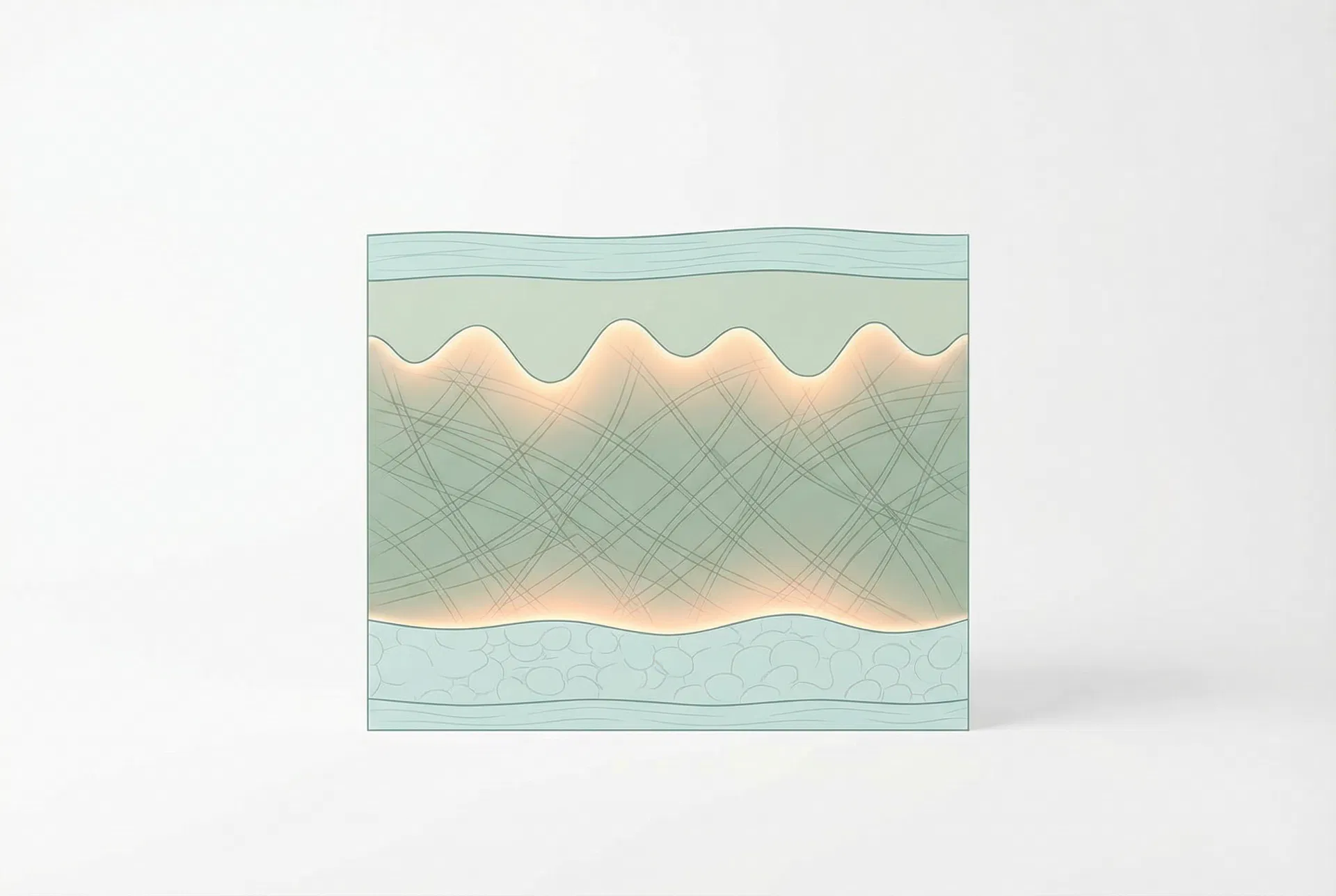
Illustration showing the skin layer structure. The highlighted dermis zone (100–400 µm depth ) is where RF energy concentrates its thermal effect.
Mechanism of Action
Three phases of skin renewal.
RF treatment triggers a precise, staged biological response. Each phase builds on the last, producing results that continue to improve for months after your session.
When RF energy heats the dermis to between 40–45°C, it disrupts the hydrogen bonds within the collagen triple-helix structure. This causes collagen fibrils to immediately contract and shorten, producing a visible tightening effect that can be felt right after treatment.
This is not damage. It is a controlled, targeted thermal response. The heat is precisely calibrated to denature collagen fibres without harming the surrounding epidermis or living cells.
The controlled thermal injury signals the body's natural wound-healing cascade. Fibroblasts, the skin cells responsible for producing collagen, are recruited to the treated area. Growth factors including TGF-β are released, stimulating these cells to begin synthesising new collagen.
This is the same biological process the body uses to repair tissue, but triggered in a controlled, targeted way, without any wound at the skin's surface.
Over the following weeks and months, the activated fibroblasts deposit new collagen types I and III into the dermal matrix. These fresh fibres are organised in a more structured, tightly packed arrangement, restoring the architecture of younger skin.
This is why results from RF treatment continue to improve for 3 months or more after the final session. The collagen remodelling process is gradual, cumulative, and long-lasting.
Fractional Technology
Why fractional RF is better.
Not all RF devices are the same. The VEAUTY Dot uses fractional radiofrequency, a delivery method that treats only a fraction of the skin surface at a time, leaving surrounding tissue intact.
Rather than heating the entire skin surface uniformly, fractional RF creates discrete microscopic thermal zones (MTZs) in the dermis. Each zone triggers a localised collagen response, while the untreated tissue between zones acts as a reservoir of healthy cells that accelerates healing and recovery.
This approach produces more intense collagen stimulation per treated zone while dramatically reducing the risk of side effects compared to non-fractional full-coverage RF or ablative treatments.
The result is a treatment that is both more effective and safer than older, full-coverage RF technologies, with no downtime required.
Fractional treatment pattern (illustrative)
Teal dots = treated thermal zones. Untreated surrounding tissue accelerates recovery and amplifies the collagen response.
Collagen & Aging
What aging does to your collagen.
Collagen makes up more than 80% of the dry weight of the dermis. It is the structural protein responsible for skin firmness, bounce, and resistance to wrinkling. Understanding how collagen changes with age explains why RF stimulation produces such meaningful results.
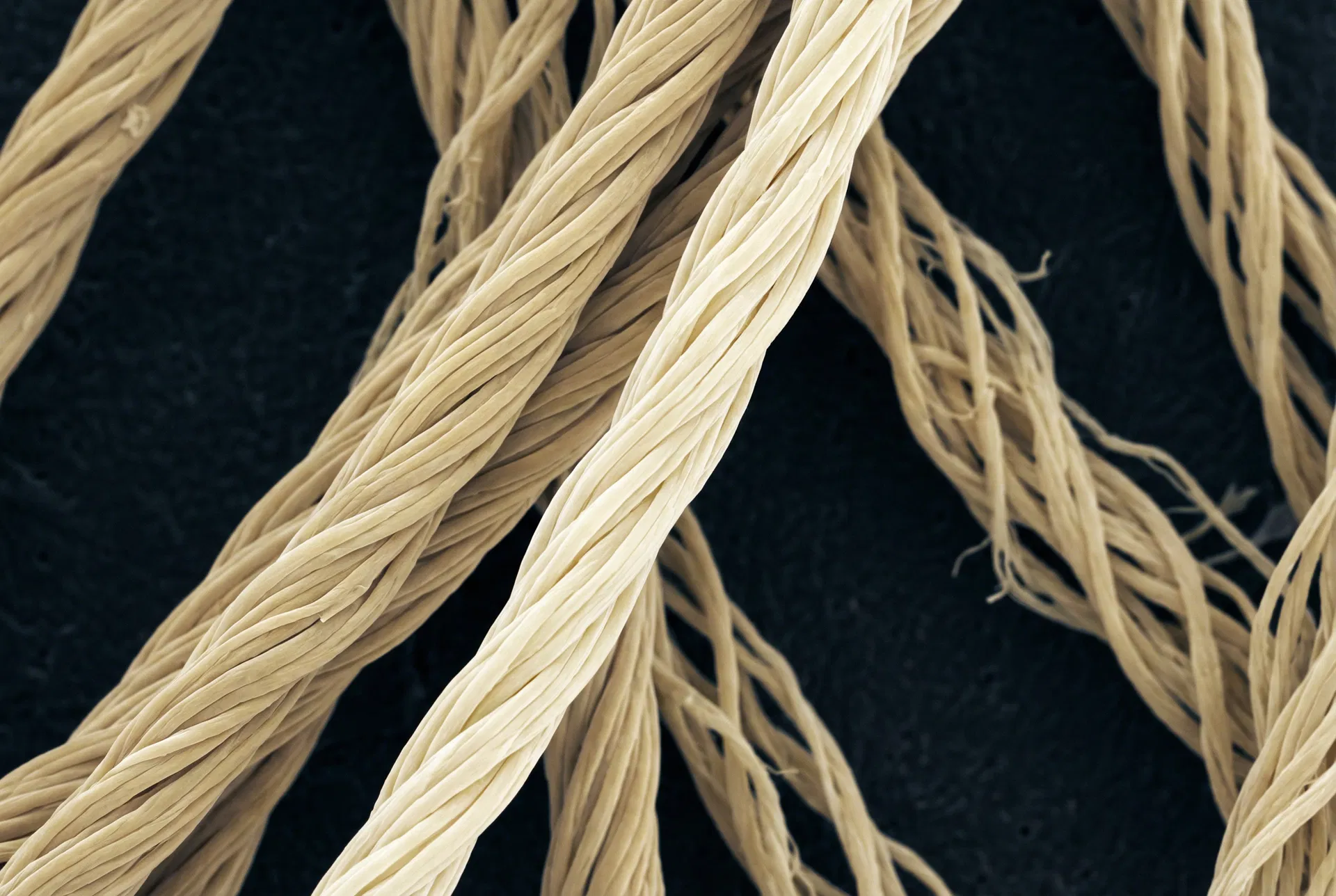
Collagen fibre bundles visualised at high magnification. Tightly organised fibres represent healthy, youthful dermis. RF treatment stimulates the production of new, organised collagen.
Clinical Evidence
What the research shows.
The effectiveness of radiofrequency for skin tightening and collagen stimulation is supported by peer-reviewed clinical research published in leading dermatology journals. The following data is drawn from published studies on monopolar and fractional RF devices.
Treatment Comparison
How RF compares to other options.
Every treatment has trade-offs. This table compares fractional RF to the most common alternatives, based on published clinical data and practical considerations.
Swipe to see full table →
| Treatment | Targets dermis | All skin tones | No downtime | At-home use | Ongoing collagen stimulation |
|---|---|---|---|---|---|
| Fractional RF (VEAUTY Dot) | ✓ | ✓ | ✓ | ✓ | ✓ |
| Ablative laser resurfacing | ✓ | ✕ pigment risk | ✕ 7–14 days | ✕ clinic only | ✓ |
| Non-ablative laser | Partial | ✕ pigment risk | Minimal | ✕ clinic only | Moderate |
| Topical retinoids | ✕ surface only | ✓ | ✓ | ✓ | Mild |
| Microcurrent devices | ✕ muscle only | ✓ | ✓ | ✓ | ✕ |
| Injectable fillers | ✕ volumising only | ✓ | 1–3 days | ✕ clinic only | ✕ |
Safety Profile
Designed to be safe for all.
One of the most significant advantages of RF energy over light-based treatments is its independence from skin pigmentation. Laser and IPL devices rely on chromophores (pigment molecules) to absorb energy, which means they can cause unintended heating of melanin in darker skin tones, leading to post-inflammatory hyperpigmentation or burns.
RF energy follows the path of least electrical resistance through tissue. It heats based on the electrical resistance properties of the dermis, not the colour of the skin above it. This makes it safe and effective across the full range of Fitzpatrick skin types.
Ready to begin?
The science is clear. The results speak for themselves.
The VEAUTY Dot brings clinically validated fractional RF technology into your hands, with no clinic appointments, no downtime, and no compromise on results.
Shop the VEAUTY DotClinical data referenced from: El-Domyati et al., Journal of the American Academy of Dermatology, 2011 (PMID: 21315951). Results may vary between individuals.
The Science Behind VEAUTY GHK-Cu Micro-Infusion
How copper peptide + microneedling regenerates your skin at the cellular level.
GHK-Cu is the most extensively studied regenerative peptide in skincare science. Combined with precision 0.5mm 24K gold microneedling, it reaches the dermis directly, activating over 4,000 genes involved in tissue repair, collagen synthesis, and skin renewal. This page explains the science behind every component of the VEAUTY GHK-Cu Micro-Infusion Kit.

The Peptide
GHK-Cu: 50+ years of skin science.
GHK-Cu (glycyl-L-histidyl-L-lysine copper) is a naturally occurring tripeptide first isolated from human blood plasma by biochemist Dr. Loren Pickart in 1973. It is not a synthetic compound invented in a laboratory. It is a molecule your body already produces, one that declines significantly with age.
At age 20, your plasma contains approximately 200 ng/mL of GHK. By age 60, that level drops to just 80 ng/mL. This decline directly correlates with the visible signs of skin aging: slower healing, reduced firmness, loss of elasticity, and increased wrinkling.
What makes GHK-Cu extraordinary is its scope of biological activity. Gene expression studies conducted using the Broad Institute's Connectivity Map have revealed that GHK-Cu influences 31.2% of all human genes at a change threshold of 50% or greater. It upregulates genes involved in tissue repair, collagen synthesis, and antioxidant defence, while simultaneously downregulating genes associated with inflammation and tissue degradation.
In simpler terms: GHK-Cu does not just treat one symptom of aging. It resets the gene activity of your skin cells toward a younger, healthier pattern.
Source: Pickart & Margolina, Int J Mol Sci, 2018 (PMC6073405). Gene expression data from the Broad Institute Connectivity Map.
The Delivery System
Microneedling: your skin's collagen switch.
Microneedling is a clinically validated treatment used by dermatologists worldwide. It works by creating thousands of controlled micro-channels in the skin using fine needles at a precise depth. This triggers the body's natural wound-healing cascade, a powerful biological response that floods the treated area with growth factors and signals the skin to produce new collagen and elastin.
The VEAUTY stamp uses needles calibrated to 0.5mm depth, reaching the papillary dermis. This is deep enough to trigger collagen induction therapy and dramatically increase ingredient absorption, while remaining shallow enough to avoid significant pain, bleeding, or extended downtime.
Clinical research demonstrates that microneedling can increase the absorption of topically applied active ingredients by up to 80% compared to surface application alone. The micro-channels created by the needles allow molecules that would normally sit on the skin's surface to penetrate directly into the dermis, where they can interact with fibroblasts and other target cells.
The Material
24K gold needles. Not a luxury detail.
The choice of 24-karat gold for the VEAUTY micro-infusion needles is not cosmetic. It is a deliberate engineering decision based on the unique biological properties of pure gold.
Gold is one of the most biocompatible materials known to science. It does not corrode, does not oxidise, and does not react with biological tissue. This means zero risk of allergic reaction, zero risk of metal ions leaching into the skin, and zero risk of the needle degrading during use.
Gold also possesses natural antimicrobial properties. Studies have demonstrated that gold surfaces inhibit bacterial adhesion, reducing the risk of infection when creating micro-channels in the skin. Combined with the single-use, sterile design of each VEAUTY needle head, this creates the safest possible microneedling experience.

Why It Matters
Not all microneedling is equal.
The method of needle delivery matters as much as the needle itself. Unlike derma rollers that drag needles across the skin at an angle, the VEAUTY stamp delivers precise vertical penetration. The difference is significant.


The Combined Effect
Two proven technologies. One precise moment.
When you use the VEAUTY GHK-Cu Micro-Infusion Kit, two powerful mechanisms activate at exactly the same time. The stamp creates thousands of micro-channels that trigger your skin's own collagen response, while simultaneously allowing the GHK-Cu serum to penetrate far deeper than any topical product can reach alone.
You are not choosing between microneedling and a peptide serum. You are getting both, at the same time, in one precise treatment. The microneedling triggers collagen induction therapy from the physical stimulus, while the GHK-Cu peptide activates over 4,000 genes related to skin repair and regeneration from within the dermis.
This dual mechanism is why the VEAUTY GHK-Cu Micro-Infusion Kit delivers results that neither microneedling alone nor topical application alone can match.

Clinical Evidence
What the research confirms.
The effectiveness of GHK-Cu and microneedling is supported by decades of peer-reviewed clinical research published in leading scientific journals. The following data is drawn from published studies.
What's Inside
Formulated to perform.
Every ingredient in the VEAUTY GHK-Cu serum is chosen for a specific, clinically supported purpose. No fillers. No dilution. Just the most effective actives at the concentrations that work.
Water, Glycerin, Butylene Glycol, 1,2-Hexanediol, Hydroxyacetophenone, Mannitol, Carbomer, Copper Tripeptide-1, Sodium Hyaluronate, Arginine, Hydrolyzed Collagen, Acetyl Hexapeptide-8, Sodium Lactate, Polysorbate 20, Acetyl Tetrapeptide-11, Acetyl Tetrapeptide-9, Palmitoyl Tripeptide-1, Palmitoyl Tetrapeptide-7.
The Complete Protocol
Between treatments: the Night Serum.
The VEAUTY GHK-Cu Micro-Infusion Kit is designed to be used every 14 days. Between treatments, the VEAUTY GHK-Cu Topical Night Serum continues delivering copper peptides to your skin every evening, maintaining the regenerative signal and sustaining the collagen response initiated by each micro-infusion session.
The Night Serum contains the same core GHK-Cu peptide complex, enhanced with rice seed water for brightening, jojoba seed oil for lightweight moisture, and silk fibroin for a protective overnight barrier. Applied nightly (3 pumps, left on overnight ), it has been shown to accelerate visible results by up to 40% when used alongside the Micro-Infusion Kit.
Think of the Micro-Infusion as the deep treatment and the Night Serum as the daily sustainer. Together, they form a complete GHK-Cu protocol that keeps your skin in a continuous state of repair and renewal.

Safety Profile
Designed to be safe and gentle.
The VEAUTY GHK-Cu Micro-Infusion Kit is designed for safe at-home use. The 0.5mm needle depth is within the range recommended for consumer microneedling devices, deep enough to be effective but shallow enough to avoid the risks associated with deeper professional treatments.
GHK-Cu itself has an excellent safety profile. As a naturally occurring peptide already present in your body, it does not introduce foreign chemicals. Over 50 years of research have documented no significant adverse effects at the concentrations used in topical skincare applications.
The single-use, sterile needle heads eliminate the risk of cross-contamination or infection from reused equipment. The 24K gold material ensures zero allergic reactions, even for those with sensitive skin or metal sensitivities.
The science is clear
50 years of research. In your hands.
The VEAUTY GHK-Cu Micro-Infusion Kit delivers the most studied regenerative peptide in skincare directly into your dermis, using precision 24K gold microneedling. No clinic. No compromise.
Shop GHK-Cu Micro-InfusionResults may vary. VEAUTY products are cosmetic devices, not medical devices. They are not intended to diagnose, treat, cure, or prevent any disease. Clinical data referenced from: Pickart & Margolina, Int J Mol Sci, 2018; Pickart et al., BioMed Res Int, 2015; Singh & Yadav, Indian Dermatol Online J, 2016; Aust et al., Plast Reconstr Surg, 2008. Individual results depend on skin type, age, and adherence to the recommended protocol.